Vol. 3 No. 2 (2026): April - June
EDITORIAL
PODEE Institute Journal Vol. 3 No. 2, April - June 2026
This issue of the PODEE Institute Journal, Volume 3, Number 2 (April - June 2026), continues to reflect the interest of scholars, researchers, and readers across diverse disciplines, particularly in education, business administration, marketing, and applied Buddhist philosophy, all of which connect closely to human resource development within the context of contemporary society. The journal continues to benefit greatly from the cooperation of its external peer reviewers, whose role in evaluating the quality of submitted articles remains essential to upholding the journal's academic rigor and credibility.
This issue comprises two research articles and three academic articles, reflecting the integration of theoretical knowledge and practical application, as detailed below.
Research Articles
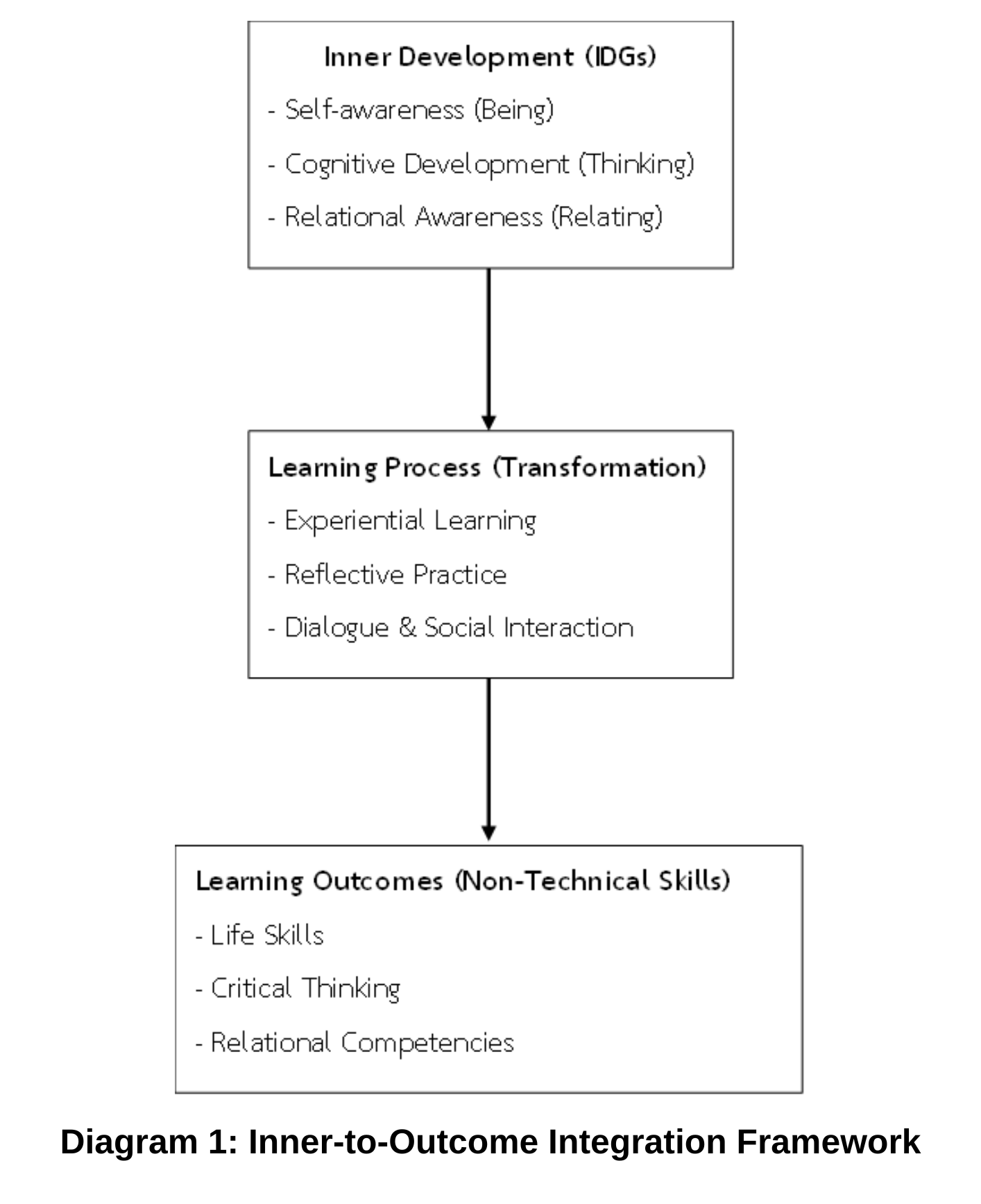
The Integration of the Second Royal Working Principle, "Exploding from Within", with Inner Development Goals for Curriculum Development to Enhance Life Skills, Thinking Skills, and Relational Competencies (Non-Technical Skills)
— Dr. Dinh Supasamut
— Independent Scholar
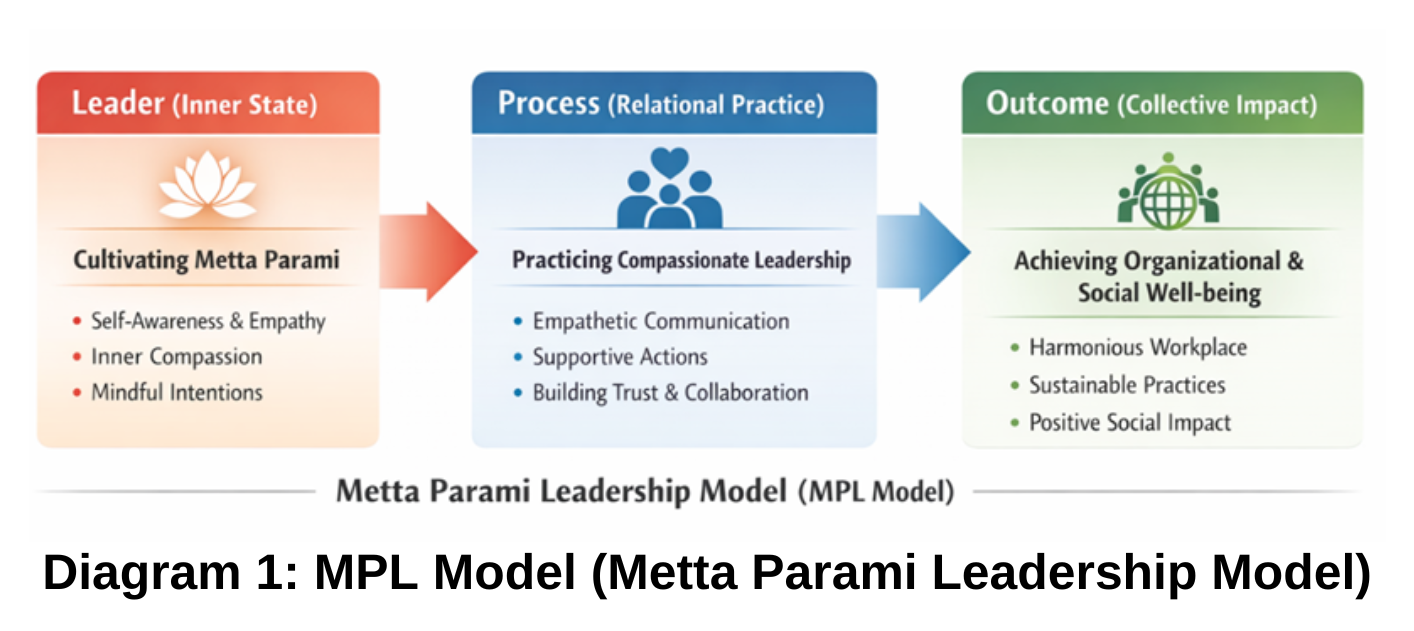
Leadership Development through the Perfection of Metta Parami
— Chisa Gunyaviriya and Sirin Gunyaviriya
— Philosophy and Ethics Program, Graduate School, Suan Sunandha Rajabhat University
Academic Articles
Driving the IDG Leadership Network in Thailand: An Analytical Study and Recommendations of Pongsathorn La-iad-on
— Center of Sufficiency Studies
— Graduate School, Suan Sunandha Rajabhat University
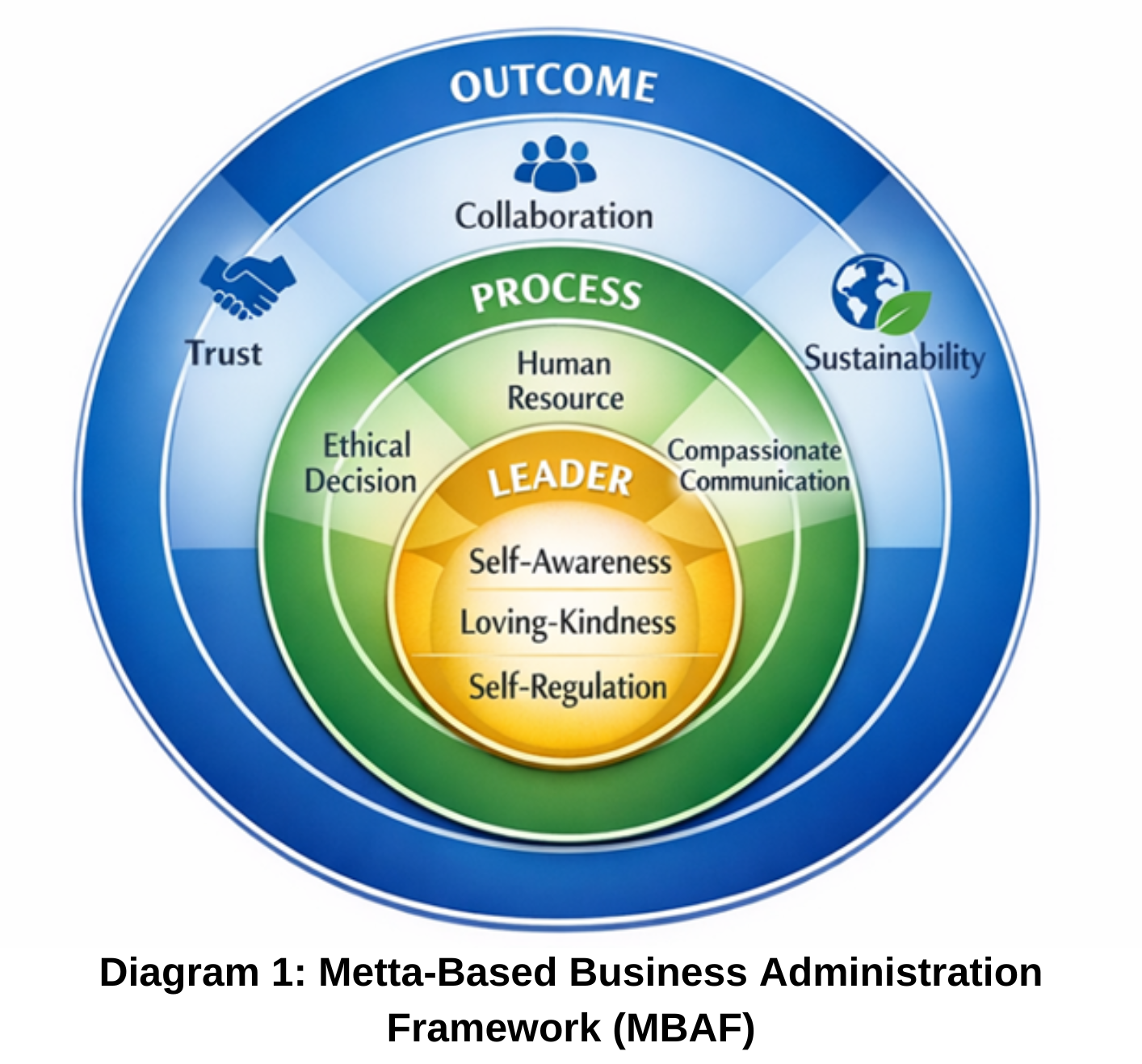
Business Administration Based on Metta Parami
— Sirin Gunyaviriya and Chisa Gunyaviriya
— Lor Yaowaraj Bangkok
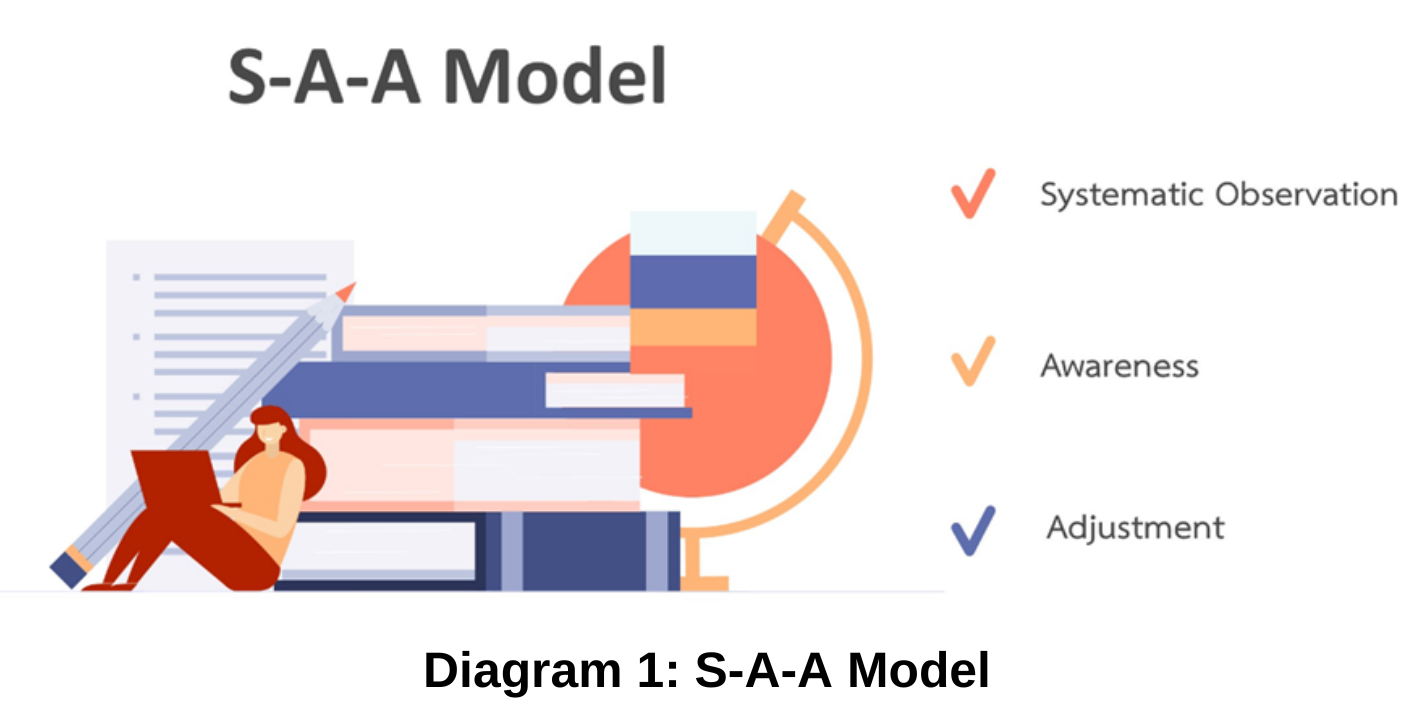
The Application of the First Royal Working Principle "Systematic Data Study" in Developing Human Awareness
— Chairoj Nopchalermroj
— Nopchalermroj Foundation
All articles in this issue have undergone preliminary review by the editorial board and have been evaluated by three external peer reviewers in accordance with the criteria of the Thai-Journal Citation Index (TCI), ensuring accuracy, academic rigor, and the practical applicability of knowledge within the context of contemporary society.
The editorial board hopes that this issue will make a meaningful contribution to the advancement of knowledge in administration, leadership development, and the application of Buddhist philosophical principles, fostering sustainable development at the individual, organizational, and societal levels. The editorial board would like to express its sincere gratitude to the peer reviewers, researchers, and readers whose continued support has driven the growth of the PODEE Institute Journal.
Asst. Prof. Dr. Metha Harimtepathip
Editor-in-Chief
Published:
06/30/2026