
บทเรียนการใช้ Soft Power ของจีนสู่การใช้ Soft Power เพื่อสนับสนุนยุทธศาสตร์ชาติ ๒๐ ปี
Article Sidebar
Main Article Content
บทคัดย่อ
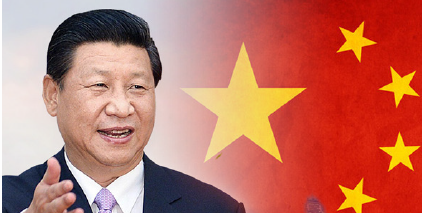
การเจริญเติบโตทางเศรษฐกิจอย่างรวดเร็วของจีนในช่วงระยะเวลา ๔๐ ปีที่ผ่านมาภายหลังจากการใช้นโยบายปฏิรูปสังคมและเศรษฐกิจเพื่อการเปิดประเทศของ เติ้ง เสี่ยว ผิง ในปี ๑๙๗๘ และคำกล่าวของประธานาธิบดี สี จิ้น ผิง ที่ได้กล่าวไว้ในปี ๒๐๑๔ ว่า “เราควรเพิ่ม Soft Power ของจีนเพื่อส่งข้อความจากจีนถึงชาวโลกให้ดียิ่งขึ้น”เป็นการตอกย้ำว่าเขาจะยังคงยึดมั่นแนวทางการพัฒนาประเทศและขยายอิทธิพลของจีนด้วย Soft Power (พลังอำนาจอ่อน) ต่อไป นี่คือประจักษ์พยานที่สะท้อนให้เห็นความสำคัญของ Soft Power อย่างไรก็ตามการใช้ Soft Power ไม่ใช่เรื่องแปลกใหม่ ได้เกิดมานานตั้งแต่ยุคโบราณแล้ว และมิใช่เพียงประเทศมหาอํานาจอย่างเดียว ประเทศอื่น ๆก็มีการใช้ Soft Power ในการดําเนินนโยบายของตนเอง เพื่อให้บรรลุวัตถุประสงค์ที่ต้องการ ดังนั้นในบทความนี้จึงได้ศึกษาการใช้ Soft Power ของจีนเพื่อให้บรรลุเป้าหมายทางยุทธศาสตร์ที่ครอบคลุมเป้าหมายทางเศรษฐกิจและการเมืองระหว่างประเทศ และนำบทเรียนที่ได้มาสังเคราะห์แนวความคิดเชิงนโยบายในการใช้ Soft Power มาสนับสนุนการพัฒนาประเทศในกรอบยุทธศาสตร์ชาติ ๒๐ ปีต่อไป
Downloads
Article Details

อนุญาตภายใต้เงื่อนไข Creative Commons Attribution-NonCommercial-NoDerivatives 4.0 International License.
บทความในวารสารนี้อยู่ภายใต้ลิขสิทธิ์ของ ศูนย์ศึกษายุทธศาสตร์ทหารเรือ กรมยุทธศึกษาทหารเรือ และเผยแพร่ภายใต้สัญญาอนุญาต Creative Commons Attribution-NonCommercial-NoDerivatives 4.0 International (CC BY-NC-ND 4.0)
ท่านสามารถอ่านและใช้งานเพื่อวัตถุประสงค์ทางการศึกษา และทางวิชาการ เช่น การสอน การวิจัย หรือการอ้างอิง โดยต้องให้เครดิตอย่างเหมาะสมแก่ผู้เขียนและวารสาร
ห้ามใช้หรือแก้ไขบทความโดยไม่ได้รับอนุญาต
ข้อความที่ปรากฏในบทความเป็นความคิดเห็นของผู้เขียนเท่านั้น
ผู้เขียนเป็นผู้รับผิดชอบต่อเนื้อหาและความถูกต้องของบทความของตนอย่างเต็มที่
การนำบทความไปเผยแพร่ซ้ำในรูปแบบสาธารณะอื่นใด ต้องได้รับอนุญาตจากวารสาร
เอกสารอ้างอิง
Praornpit Katchwattana , สุนทรพจน์ สี จิ้นผิง ครบรอบ 40 ปี นโยบายปฏิรูป & เปิดประเทศ “จีนไม่ต้องการเป็นเจ้าโลก” แต่ขอเดินหน้าสร้างตำนานความสำเร็จ พลิกฟ้าพลิกแผ่นดินให้โลกจำ, December 20, 2018 , https://www.salika.co/2018/12/20/xijinping-speech-40-years-china-revolution/
คมปทิต สกุลหวง, “สีจิ้นผิงกับอำนาจละมุน” และทิศทางนโยบายปี 2018 ที่โลกห้ามกะพริบตา, https://thestandard.co/2018-year-of-xi-jinping-china-soft-power/
กันตลักษณ์, “พลังอำนาจ”, นาวิกาธิปัตย์สาร, ฉบับที่ ๘๓ ,หน้า ๖๔.
Ibid., หน้า ๖๙
กันตลักษณ์, “Soft Power ตามแนวความคิดของ Joseph Nye”, นาวิกาธิปัตย์สาร, ฉบับที่ ๘๔ หน้า ๓๘ -๓๙
Ibid., หน้า ๓๙ – ๔๒.
Ibid., หน้า ๔๓ – ๔๗.
http://www.thaizhong.org/th/content/interesting/maritime-silk-road-21.html
On geography, see, e.g., Robert Kaplan, “The Geography of Chinese Power: How Far Can Beijing Reach on Land and at Sea?,” Foreign Affairs (May/June 2010): 22–41. On China as a “civilization state,” see especially Joseph Levenson, Confucian China and its Modern Fate: A Trilogy, vol. 1, The Problem of Intellectual Continuity (Berkeley: University of California Press, 1968), p. 95–108.
Henry Kissinger, On China (New York: Penguin, 2011), p. 1–32; and Zhu Liqun, China’s Foreign Policy Debates, Chaillot Papers (Paris: European Union Institute for International Security Studies, 2010), p. 17–20.
Stephen Walt, The Origins of Alliances (Ithaca, NY: Cornell University Press, 1987), p. 17–33; Randall Schweller, “Bandwagoning for Profit: Bringing the Revisionist State Back In,” International Security 19, no. 1 (1994): 72–107; and Paul Schroeder, “Historical Reality Versus Neo-Realist Theory,” International Security 19, no. 1 (1994): p. 108–48.
Wang Jisi, “China in the Middle,” American Interest 10, no. 4 (2015): 55–56, http://www.the-american-interest.com/2015/02/02/china-in-the-middle/; and Goldstein, Rising to the Challenge, 20–21.
“Joint Communiqué of the United States of America and the People’s Republic of China (Shanghai Communiqué),” February 28, 1972, http://www.china.org.cn/english/china-us/26012.htm.
Wang Jisi, “Duō jí huà duì zhàn bà quán zhŭ yì: Zhōng guó de guó jì zhèng zhì guān” [Multipolarity versus hegemonism: Chinese views of international politics], September 28, 2008, http://www.cssm.org.cn/view.php?id=21083; Goldstein, Rising to the Challenge, 22–40; and Brantly Womack, “Asymmetry Theory and China’s Concept of Multipolarity,” Journal of Contemporary China 12, no. 39 (2004): p.351–59.
Randall Schweller and Xiaoyu Pu, “After Unipolarity: China’s Visions of International Order in an Era of U.S. Decline,” International Security 36, no. 1 (2011): p.58–64.
Flynt Leverett and Wu Bingbing, “The New Silk Road and China’s Evolving Grand Strategy”’, Nov 14, 2016, https://www.journals.uchicago.edu/doi/10.1086/689684
Ibid.
Zhong Feiteng, “ China’s grand strategy in a new era”, http://www.eastasiaforum.org/2018/03/05/chinas-grand-strategy-in-a-new-era/
Esther Pan ,“China’s Soft Power Initiative”, https://www.cfr.org/backgrounder/chinas-soft-power-initiative
Eleanor Albert, “China’s Big Bet on Soft Power”, https://www.cfr.org/backgrounder/chinas-big-bet-soft-power
Ibid.
Flynt Leverett and Wu Bingbing, loc.cit.
“การใช้ Soft Power ของจีน”, จุลสารความมั่นคงศึกษา, ฉบับที่ ๑๓๖ – ๑๓๗ (กุมภาพันธ์ ๒๕๕๗), หน้า ๔๙
Esther Pan, loc.cit.
Eleanor Albert, loc.cit.
สำนักวิชาการ สำนักงานเลขาธิการผู้แทนราษฏร, “จีนกับการเป็นมหาอำนาจในศตวรรษที่ ๒๑”, เมษายน ๒๕๖๐, หน้า ๑๔
Ibid., หน้า ๑๕
Ibid., หน้า ๑๒ – ๑๓
Eleanor Albert, loc.cit.
Ibid.
Ibid.
จุลสารความมั่นคงศึกษา, op.cit., หน้า ๕๓ – ๕๔
Eleanor Albert, loc.cit.
จุลสารความมั่นคงศึกษา, op.cit., หน้า ๕๖ – ๕๗
Eleanor Albert, loc.cit.
