The Application of the First Royal Working Principle “Systematic Data Study” in Developing Human Awareness
Keywords:
Application, the First Royal Working Principle, Systematic Data Study, AwarenessAbstract
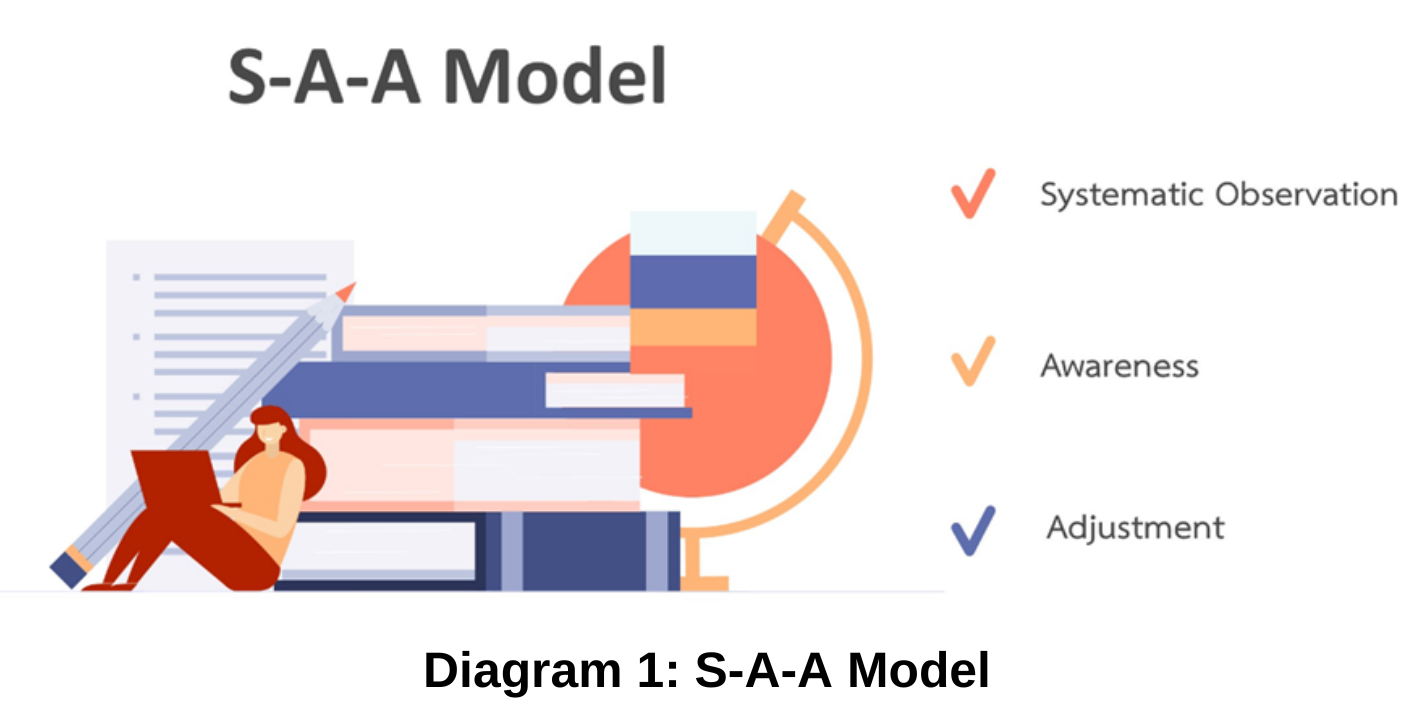
This academic article aimed to present an interpretation and application of the first royal working principle, “Systematic Data Study” in the dimension of developing human awareness. It expanded the meaning of “information” from external data to “internal data,” including thoughts, emotions, feelings, and psychological reactions. The article employed a philosophical analytical approach and interdisciplinary synthesis to explain the relationship between internal data and human perception processes. It also proposed a “process of awareness development” consisting of systematic observation, awareness, and transformation, which led to continuous self-development. This study employed documentary analysis combined with philosophical synthesis of primary and secondary sources related to royal working principles, phenomenology, Buddhist philosophy, and contemporary learning theories. The synthesis results indicated that studying information systematically at a deeper level was not limited to collecting empirical external data; rather, it involved learning to continuously and impartially observe the data of the mind. This process was considered the foundation of genuine awareness and human development. Therefore, this article proposed a conceptual framework that linked the King’s philosophy with inner development in the 21st century.
References
ชัญญานุช โมราศิลป์ และทักษญา สง่าโยธิน. (2562). แนวทางการน้อมนำหลักการทรงงานของพระบาทสมเด็จพระปรมินทรมหาภูมิพลอดุลยเดช บรมนาถบพิตร ไปใช้ในการปฏิบัติงานขององค์กรธุรกิจ. Humanities social sciences and arts, 12(1), 710-735.
เมธา หริมเทพาธิป. (2559). การศึกษาตามหลักปรัชญาหลังนวยุคนิยมสายกลาง: วิเคราะห์จากหลักการทรงงานของพระบาทสมเด็จพระปรมินทรภูมิพลอดุลเดช รัชกาลที่ 9. วารสารศึกษาศาสตร์ มมร, 4(1), 120-132.
วิศิษฐ์ ฤทธิบุญไชย. (2561). การปรับใช้หลักปรัชญาของเศรษฐกิจพอเพียงที่มีผลต่อการพัฒนาคุณภาพชีวิตของนักศึกษาในจังหวัดนครปฐม. วารสารสังคมศาสตร์วิจัย, 9(2), 287-302.
สํานักงานคณะกรรมการพิเศษเพื่อประสานงานโครงการอันเนื่องมาจากพระราชดําริ (สํานักงาน กปร.). (2555). จอมปราชญ์แห่งการพัฒนา หลักการทรงงาน. กรุงเทพฯ: อมรินทร์พริ้นติ้ง แอนด์พับลิชชิ่ง จํากัด.
สำนักงานคณะกรรมการพัฒนาการเศรษฐกิจและสังคมแห่งชาติ. (2554). เรียนรู้หลักการทรงงานในพระบาทสมเด็จพระเจ้าอยู่หัว. (พิมพ์ครั้งที่ 2). กรุงเทพฯ: สำนักงานคณะกรรมการพัฒนาการเศรษฐกิจและสังคมแห่งชาติ.
สุเมธ ตันติเวชกุล, ดร., (2554). การทรงงานพัฒนาประเทศของพระบาทสมเด็จพระเจ้าอยู่หัว. กรุงเทพฯ: สำนักงานคณะกรรมการพัฒนาการเศรษฐกิจและสังคมแห่งชาติ.
Brown, K. W., & Ryan, R. M. (2003). The benefits of being present: Mindfulness and its role in psychological well-being. Journal of Personality and Social Psychology, 84(4), 822–848.
Husserl, E. (2002). Ideas for a pure phenomenology and phenomenological philosophy (F. Kersten, Trans.). Kluwer Academic Publishers. (Original work published 1913)
Kabat-Zinn, J. (1994). Wherever you go, there you are: Mindfulness meditation in everyday life. New York: Hyperion.
Kahneman, D. (2011). Thinking, fast and slow. New York: Farrar, Straus and Giroux.
Kolb, D. A. (1984). Experiential learning: Experience as the source of learning and development. Englewood Cliffs, NJ: Prentice Hall.
Mezirow, J. (1991). Transformative dimensions of adult learning. San Francisco, CA: Jossey-Bass.
Downloads
Published
How to Cite
Issue
Section
License
Copyright (c) 2026 Institute of Sufficiency Journal

This work is licensed under a Creative Commons Attribution-NonCommercial-NoDerivatives 4.0 International License.