การพัฒนาภาวะผู้นำด้วยอธิษฐานบารมี
คำสำคัญ:
การพัฒนา, ภาวะผู้นำ, อธิษฐานบารมีบทคัดย่อ
บทความวิจัยนี้มีวัตถุประสงค์เพื่อวิเคราะห์การพัฒนาภาวะผู้นำด้วยอธิษฐานบารมี โดยใช้ระเบียบวิธีเชิงปรัชญาและการวิจัยเชิงเอกสาร ซึ่งอาศัยการตีความเชิงอรรถศาสตร์และการสังเคราะห์แนวคิดจากคัมภีร์พระพุทธศาสนา วรรณกรรมด้านภาวะผู้นำ จริยศาสตร์ธุรกิจ และทฤษฎีการจัดการ เพื่ออธิบายความเชื่อมโยงระหว่างมิติภายในของผู้นำกับโครงสร้าง กระบวนการ และผลลัพธ์ขององค์กร
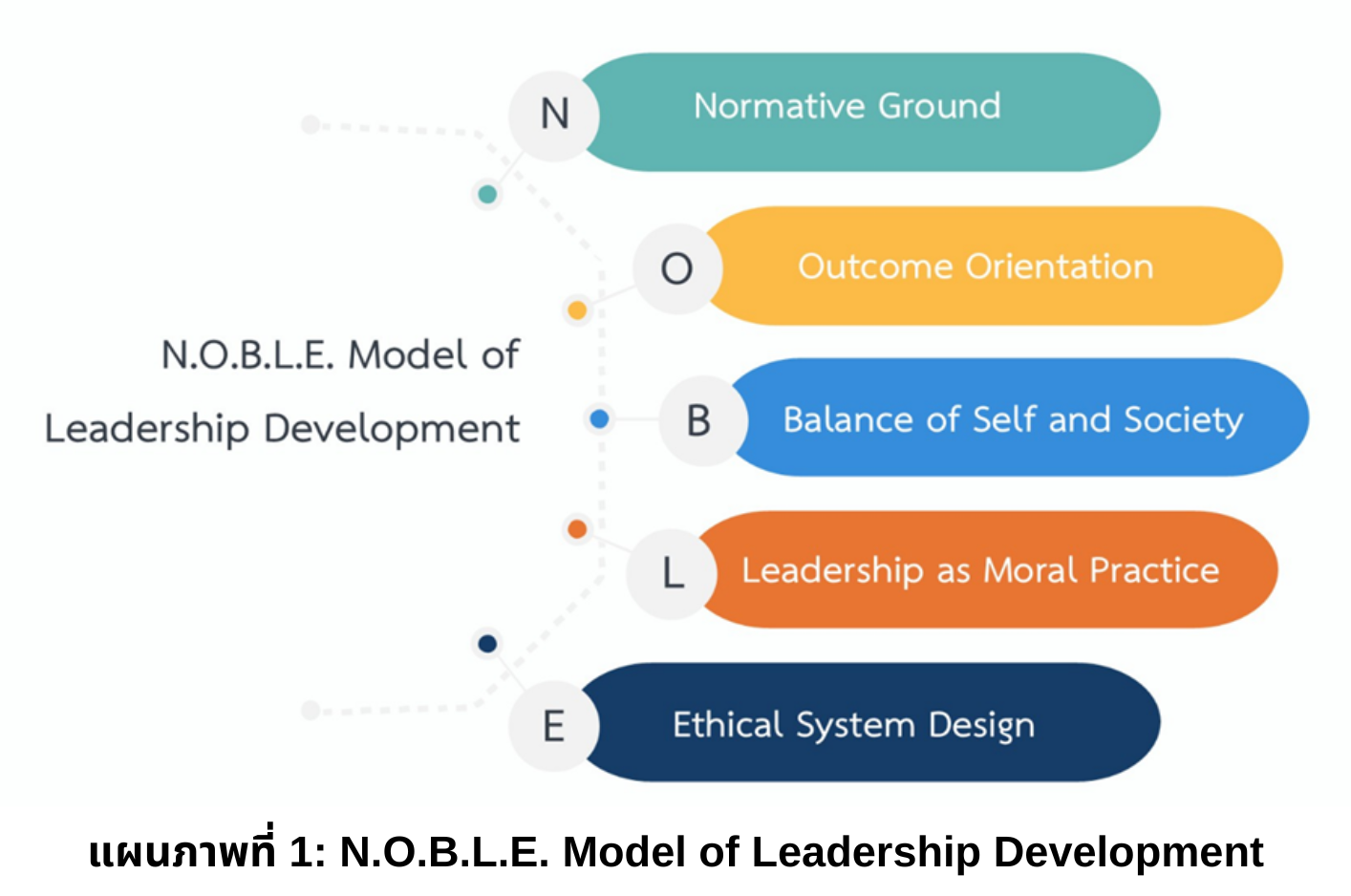
ผลการวิจัย พบว่า อธิษฐานบารมีสามารถทำหน้าที่เป็นพลังแห่งความตั้งมั่นทางจริยธรรมที่ขับเคลื่อนการพัฒนาภาวะผู้นำจากระดับปัจเจกไปสู่ระดับวัฒนธรรมองค์กรและระบบการกำกับดูแล โดยสะท้อนผ่านพัฒนาการสามระดับ ได้แก่ บารมี อุปบารมี และปรมัตถบารมี องค์ความรู้ใหม่ที่ได้จากการวิจัย ได้แก่ N.O.B.L.E. Model of Leadership Development (Normative and Outcome-Based Leadership for Ethics) อธิบายถึงบรรทัดฐานเชิงคุณค่า การมุ่งผลลัพธ์ที่มีความหมาย ดุลยภาพระหว่างตนเองและสังคม ภาวะผู้นำในฐานะการปฏิบัติทางศีลธรรม และการออกแบบระบบเชิงจริยธรรมซึ่งสามารถใช้เป็นฐานสำหรับการออกแบบนโยบาย การพัฒนาหลักสูตรผู้นำ และการวิจัยต่อยอดด้านจริยธรรมธุรกิจและภาวะผู้นำในบริบทที่หลากหลาย
เอกสารอ้างอิง
พระธรรมปิฎก (ป.อ. ปยุตฺโต). (2544). พุทธธรรม. กรุงเทพฯ: มูลนิธิพุทธธรรม.
ภัทร์ระพี วารีดี. (2565). ภาวะผู้นำทางจิตวิญญาณในองค์กร. นครนายก: มหาวิทยาลัยศรีนครินทรวิโรฒ.
มะสุกรี ตายะกาเร็ง. (2564). แนวคิดภาวะผู้นำเชิงบารมีในพระพุทธศาสนา. กรุงเทพฯ: มหาวิทยาลัยมหาจุฬาลงกรณราชวิทยาลัย.
เอกชัย อุไรสินธ์. (2564). แนวปฏิบัติตามปฏิปทาของพระโพธิสัตว์ในสังคมไทยปัจจุบัน. กรุงเทพฯ : มหาวิทยาลัยธรรมศาสตร์.
Bodhi, B. (2005). In the Buddha’s Words: An Anthology of Discourses from the Pali Canon. Boston, MA: Wisdom Publications.
Carroll, A. B., & Brown, J. A. (2018). Corporate social responsibility: A review of current concepts, research, and issues. in J. Weber & D. Wasieleski (Eds.), Corporate Social Responsibility (pp. 39–69). Bingley: Emerald Group Publishing.
Drucker, P. F. (1974). Management: Tasks, Responsibilities, Practices. New York: Harper Business.
Fayol, H. (1949). General and Industrial Management. London: Sir Isaac Pitman & Sons.
Harvey, P. (2013). An Introduction to Buddhism: Teachings, History and Practices. (2nd ed.). Cambridge: Cambridge University Press.
Kast, F. E., & Rosenzweig, J. E. (1972). General systems theory: Applications for organization and management. Academy of Management Journal, 15(4), 447–465.
Mayo, E. (1933). The Human Problems of an Industrial Civilization. New York: Macmillan.
Mintzberg, H. (2009). Managing. San Francisco: Berrett-Koehler Publishers.
Nanamoli, B., & Bodhi, B. (1995). The Middle Length Discourses of the Buddha: A Translation of the Majjhima Nikaya. Boston, MA: Wisdom Publications.
Porter, M. E. (1985). Competitive Advantage: Creating and Sustaining Superior Performance. New York: Free Press.
Qirem, I. A. E., et al. (2023). The impact of sustainability accounting on financial reporting quality: Evidence from the pharmaceutical and chemical sectors on the ASE. Journal of Logistics, Informatics and Service Science, 10(4), 62–71.
Robbins, S. P., & Coulter, M. (2018). Management. Boston: Pearson.
Taylor, F. W. (2012). The principles of scientific management [Kindle edition]. Dover Publications. (Original work published 1911)
Zsolnai, L. (2012). Spirituality and business: An interdisciplinary overview. Society and Economy, 34(3), 489–514.
ดาวน์โหลด
เผยแพร่แล้ว
รูปแบบการอ้างอิง
ฉบับ
ประเภทบทความ
สัญญาอนุญาต
ลิขสิทธิ์ (c) 2026 วารสารสถาบันพอดี

อนุญาตภายใต้เงื่อนไข Creative Commons Attribution-NonCommercial-NoDerivatives 4.0 International License.