
Thailand’s Maritime Strategy: From Concept to Reality
Article Sidebar
Main Article Content
Abstract
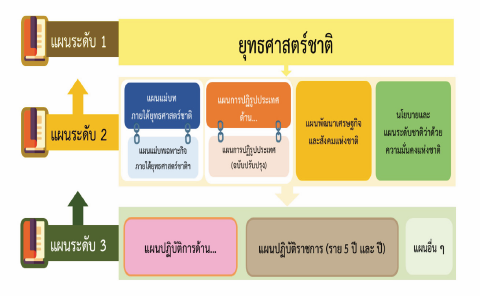
Thailand possesses geographic characteristics highly conducive to the development of robust maritime power, which could substantially enhance the nation’s maritime-based economic potential. Despite this advantage, Thailand has yet to establish a comprehensive maritime strategy that provides governmental agencies, the private sector, and civil society with a concrete framework for the utilization and sustainable exploitation of maritime resources. Consequently, it is imperative to undertake a systematic study aimed at formulating a national maritime strategy and elevating its importance within the Tier 1 National Strategy (2018–2037), as well as integrating it into the Tier 2 Action Plans, which serve as the operational guidelines for driving national development across multiple dimensions. This study therefore seeks to propose an appropriate maritime strategy for Thailand, one that aligns with the contemporary maritime environment in the region.
The analysis employs the Strategy and Force Planning Framework developed by P. H. Liotta and Richmond M. Lloyd to determine the appropriate levels of national maritime strategy, alongside the principles of strategy formulation articulated by Professor Henry C. Bartlett. In addition, data were collected from relevant public and private entities that contribute to strengthening national maritime power, drawing on the theoretical foundations of Rear Admiral Alfred T. Mahan. The study identifies key problems and obstacles that have hindered the effective development and promotion of Thailand’s maritime power. Furthermore, it examines the maritime strategies of other nations for comparative purposes, extracting best practices that may serve as models for enhancing Thailand’s maritime capabilities.
The article also proposes several policy recommendations aimed at advancing Thailand’s maritime strategic posture. First, the government must prioritize maritime affairs as a core driver of the national ocean economy, beginning with the adoption of a forward-looking vision: “Thailand will become a Maritime Nation by 2037.” To achieve this, Thailand must formulate a national maritime strategy as a coherent method for strengthening maritime power and supporting the merchant marine sector, thereby enhancing economic benefits and reinforcing national security operations, particularly in times of crisis or instability.
It is recommended that the National Maritime Interests Protection Committee (NMIPC) incorporate maritime strategy as the seventh strategic issue in the National Strategy (2018–2037) and develop a National Maritime Power Development Plan as an additional Tier 2 plan for submission to the Cabinet. With the Maritime Enforcement Command Center (Thai-MECC) designated as the lead agency responsible for drafting both the maritime strategy and the national maritime power development plan, Thailand will be better positioned to achieve sustainable maritime prosperity supported by clear strategic direction and actionable plans.
Downloads
Article Details

This work is licensed under a Creative Commons Attribution-NonCommercial-NoDerivatives 4.0 International License.
Articles in this journal are copyrighted by the Naval Strategic Studies Center, Naval Education Department, and published under the Creative Commons Attribution-NonCommercial-NoDerivatives 4.0 International (CC BY-NC-ND 4.0) license.
may be read and used for academic purposes, such as teaching, research, or citation, with proper credit given to the author and the journal.
Use or modification of the articles is prohibited without permission.
Statements expressed in the articles are solely the opinions of the authors.
Authors are fully responsible for the content and accuracy of their articles.
Any other republication of the articles requires permission from the journal.
References
หนังสือ
กรมเจ้าท่า, โครงการศึกษาเพื่อยกระดับศักยภาพกองเรือพาณิชย์ไทยรองรับตลาดการขนส่งทาง เรือร่วมอาเซียน, ๒๕๖๓
คณะอนุกรรมการจัดการความรู้เพื่อผลประโยชน์แห่งชาติทางทะเล, ทะเลและมหาสมุทรและผล ประโยชน์ของชาติทางทะเล, ๒๕๖๔
เผดิมศักดิ์ จารยะพันธุ์, โครงการการจัดทำข้อเสนอแนะเชิงนโยบายฉบับย่อในประเด็นเร่งด่วนเกี่ยว กับผลประโยชน์ทางทะเลของประเทศไทย: รายงานวิจัยฉบับสมบูรณ์, ๒๕๖๒
ศูนย์ศึกษายุทธศาสตร์ สถาบันวิชาการป้องกันประเทศ, เอกสารประเมินยุทธศาสตร์ เรื่อง คู่มือการ จัดทำยุทธศาสตร์ชาติ, ๒๕๕๙
สมาคมเจ้าของเรือไทย, บทบาทกองเรือพาณิชย์ไทยในการพัฒนาศักยภาพการขนส่งทางทะเลของ ประเทศ, ๒๕๔๕
สำนักงานสภาพัฒนาการเศรษฐกิจและสังคมแห่งชาติ, แนวทางการจัดทำแผนระดับที่ ๓ และการ เสนอแผนระดับที่ ๓ ในส่วนของแผนปฏิบัติการด้าน...ต่อคณะรัฐมนตรี, ๒๕๖๔
สภาความมั่นคงแห่งชาติ., แผนความมั่นคงแห่งชาติทางทะเล พ.ศ.๒๕๕๘ - ๒๕๖๔., หน้า ๑.
ดร.ธนิต โสรัตน์,“ศักยภาพและความท้าทาย : สมุททานุภาพเศรษฐกิจ ของไทย”เอกสารประกอบ การบรรยายวิทยาลัยการทัพเรือ, ๑๕ ธันวาคม พ.ศ.๒๕๖๔
รายงานการประชุมคณะกรรมการยุทธศาสตร์ชาติ ครั้งที่ ๑/๒๕๖๕ วันจันทร์ที่ ๒๑ กุมภาพันธ์ ๒๕๖๕ เวลา ๐๙.๓๐ – ๑๑.๓๐ น. ณ ตึกภักดีบดินทร์ ำเนียบรัฐบาลและการประชุม ผ่านสื่ออิเล็กทรอนิกส์ทางโปรแกรม (Zoom)
วารสาร
ชุมนุม อาจวงษ์, พลเรือตรี. “การใช้ทะเล,” นาวิกาธิปัตย์สาร, ฉบับที่ ๗๐ (กุมภาพันธ์ -พฤษภาคม), หน้า ๗๙ – ๘๔.
ชุมนุม อาจวงษ์, พลเรือโท. “อนาคตผลประโยชน์และความมั่นคงของชาติทางทะเล,” นาวิกาธิปัตย์สาร, ฉบับที่ ๗๘ (ตุลาคม ๒๕๕๒ – มกราคม ๒๕๕๓), หน้า ๒๐ - ๒๖.
ณ ณรงค์ ทวีวัฒน์, นาวาเอก. “ยุทธศาสตร์ทะเลกับความมั่นคงแห่งชาติ,” นาวิกาธิปัตย์สาร, ฉบับที่ ๗๐ (กุมภาพันธ์ – พฤษภาคม), หน้า ๕๘ – ๗๑
กฎหมายหรือประกาศของทางราชการ
คำสั่งสำนักนายกรัฐมนตรี ที่ ๖๔/๒๕๖๓, การจัดโครงสร้างการแบ่งส่วนงานหน้าที่ และำนาจของ ส่วนงาน และอัตรากำลังของศูนย์อำนวยการรักษาผลประโยชน์ของชาติทางทะเล, ราชกิจจานุเบกษาเล่มที่ ๑๓๗ ตอนพิเศษ ๕๘ ง, ๑๓ มีนาคม ๒๕๖๓
ประกาศของคณะปฏิวัติฉบับที่ ๕๘, ราชกิจจานุเบกษาเล่มที่ ๑๑๙ ตอนที่ ๑๐๒ ก, ๘ ตุลาคม ๒๕๔๕
พระราชกำหนดการบินพลเรือนแห่งประเทศไทย พ.ศ. ๒๕๕๘, ราชกิจจานุเบกษาเล่มที่ ๑๓๒
ตอนที่ ๙๕ ก, ๑ ตุลาคม ๒๕๕๘
พระราชบัญญัติการรักษาผลประโยชน์ของชาติทางทะเล พ.ศ.๒๕๖๒, ราชกิจจานุเบกษา เล่มที่ ๑๓๖ ตอนที่ ๓๐ ก, ๑๒ มีนาคม ๒๕๖๒
พระราชบัญญัติส่งเสริมการพาณิชยนาวี พ.ศ.๒๕๒๑, ราชกิจจานุเบกษา เล่มที่ ๙๔ ตอนที่ ๑๔๓, ๑๘ ธันวาคม ๒๕๒๑
พระราชบัญญัติส่งเสริมการพาณิชยนาวี (ฉบับที่ ๒) พ.ศ.๒๕๔๘, ราชกิจจานุเบกษา เล่มที่ ๑๒๒ ตอนที่ ๑๐๙ ก, ๑๐ พฤศจิกายน ๒๕๔๘
พระราชโองการประกาศ เรื่อง แผนพัฒนาเศรษฐกิจและสังคมแห่งชาติ (ฉบับที่ ๑๓), ราชกิจจานุเบกษา เล่มที่ ๑๓๙ ตอนพิเศษ ๒๕๘ ง, ๑ พฤศจิกายน ๒๕๖๕
พระราชโองการประกาศ เรื่อง ยุทธศาสตร์ชาติ พ.ศ.๒๕๖๑- ๒๕๘๐, ราชกิจจานุเบกษา เล่มที่ ๑๓๕ ตอนที่ ๕๒ ก, ๑๓ ตุลาคม ๒๕๖๑
เอกสารที่ยังไม่ได้จัดพิมพ์
ชุมนุม อาจวงษ์, นาวาเอก. “ยุทธศาสตร์ทะเลของไทย”, เอกสารประจำภาคของนักศึกษาวิทยาลัย การทัพเรือ, ๒๕๔๔
รรณพล กล่อมแก้ว, พลเรือตรี. “การกำหนดยุทธศาสตร์ทะเลเพื่อพัฒนาระบบเศรษฐกิจทางทะเล ของไทย”, เอกสารวิจัยของนักศึกษาวิทยาลัยป้องกันราชอาณาจักร, ๒๕๕๖
สุเมธ ตันธุวนิตย์, นาย. “ยุทธศาสตร์ในการพัฒนาธุรกิจพาณิชย์นาวีของประเทศไทย”, เอกสาร วิจัยของนักศึกษาวิทยาลัยป้องกันราชอาณาจักร, ๒๕๓๖
สำนักงานสภาความมั่นคงแห่งชาติ, แผนความมั่นคงแห่งชาติทางทะเล พ.ศ.๒๕๖๖ - ๒๕๗๐.
เอกสารต่างประเทศ
Bartlett, Henry C., et al, Strategy and Force Planning., Newport Rhode Island : Naval War College, 2004
James R. Holmes, Maritime Strategy., Maryland : Naval Institute Press, 2019.
Lee, Tae-Woo. “Korean Shipping Policy: The Role of Government.” Marine Policy 14, no. 5 (1990) : p 421-437.
Liotta and Richmond M.Lloyd, Strategy and Force Planning., Newport Rhode Island : Naval War College Press, 2004
สัมภาษณ์
สัมภาษณ์ ดร.พลเทพ ธนโกเศศ, นักวิเคราะห์นโยบายและแผน ชำนาญการพิเศษ รักษาราชการ แทน ผู้อำนวยการกองความมั่นคงทางทะเล สำนักงานสภาความมั่นคงแห่งชาติ,
๒ ธันวาคม ๒๕๖๔.
สัมภาษณ์ เรือตรี สุรพล มีเสถียร, ประธานสมาคมเจ้าของเรือไทย, ๑๖ ธันวาคม ๒๕๖๔.
สัมภาษณ์ นายบัณฑิต กุลละวณิชย์, หัวหน้ากลุ่มวิเคราะห์ ติดตาม และเฝ้าระวังการทำการประมง ในน่านน้ำไทย กองบริหารจัดการเรือประมงและการทำการประมง กรมประมง,
๕ เมษายน ๒๕๖๕
สัมภาษณ์ เรือโท ลือชัย แดงสากล ผู้อำนวยการฝ่ายการร่องน้ำ การท่าเรือแห่งประเทศไทย,
๒๑ มกราคม ๒๕๖๕
สัมภาษณ์ พลเรือเอก ชุมนุม อาจวงษ์ สมาชิกวุฒฺสภา, ๒๗ ตุลาคม ๒๕๖๔ และ ๓๐ ธันวาคม ๒๕๖๔.
สัมภาษณ์ นายชาญนที สุรางค์ หัวหน้าส่วนส่งเสริมท่าเรือ กองส่งเสริมการพาณิชยนาวี กรมเจ้าท่า และนางสาวจิตติมา ฉัตรเงิน หัวหน้ากลุ่มส่งเสริมการขนส่งทางน้ำ กองส่งเสริมการพาณิชยนาวี กรมเจ้าท่า, ๔ กุมภาพันธ์ ๒๕๖๕
